Source Brake Kit for Cars, Trucks, and Construction Equipment
Find a brake kit from 30 available listings. Compare options for various vehicle types including cars and road construction gear. Review specifications for materials like rubber and steel, along with customization and delivery details to find the right fit; compare the available evidence and request quotations based on your requirements.
Key considerations
Products List


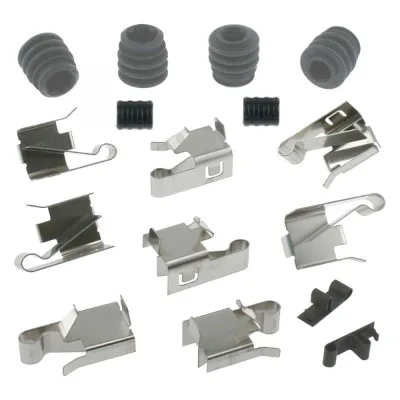

$220.22 - $342.56
Moq: 1


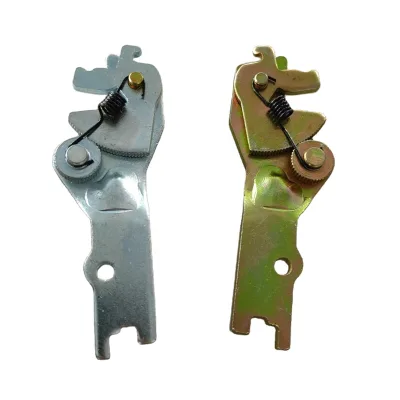
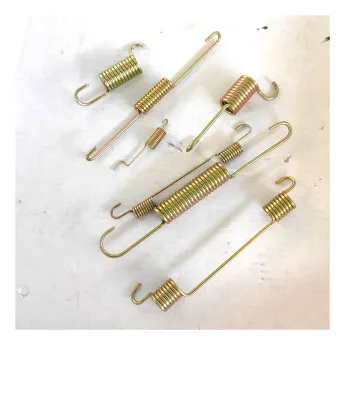


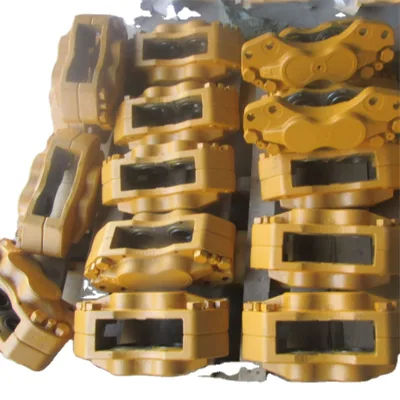
Comprehensive Sourcing Guide
Brake Kit Sourcing Guide
Procuring a brake kit requires a disciplined approach to align component compatibility with operational safety standards. Buyers must first define the specific vehicle class or machinery type, as kits vary significantly between passenger automobiles, heavy-duty trucks, and industrial equipment like road rollers. The core objective is to secure a complete assembly that ensures immediate fitment and reliable performance under stress. This guide outlines the critical verification steps needed to mitigate supply chain risks and ensure that the selected brake kits meet rigorous engineering and regulatory requirements.
Successful sourcing begins with a clear understanding of the product scope and the signals present in current market listings. By analyzing observed data points, buyers can distinguish between generic aftermarket parts and specialized industrial components. This section explores the typical attributes found in listings, such as material composition, customization options, and packaging standards, to help buyers establish a baseline for quality and suitability before engaging with suppliers.
Product Scope and Observed Listing Signals
The current market for brake kits displays a wide range of product types, from wholesale brake pad fitting kits and disc brake caliper kits to specialized hydraulic brake assemblies and walking motor brake piece repair kits. Listings indicate that materials commonly include rubber and steel, reflecting the diverse needs of different braking systems. Buyers should note that customization is frequently available, allowing for tailored solutions that match specific vehicle models or industrial applications. This flexibility is crucial for maintaining fleet uniformity or addressing unique mechanical requirements in specialized machinery.
Observed listing signals also highlight important commercial and logistical details that influence procurement decisions. Many suppliers offer free samples, which serves as a vital tool for initial quality assessment before committing to larger orders. Packaging typically involves cartons with pallets or individual cartons, ensuring safe transit and easy inventory management. Additionally, the presence of specific model numbers, such as ACC008 or AC005, suggests a structured inventory system. Buyers should verify these identifiers against their existing fleet or machinery specifications to avoid compatibility issues during installation.
Technical Specifications to Verify
Technical verification is paramount when sourcing brake kits, as incorrect specifications can lead to catastrophic failure. Buyers must confirm the exact model number and OE number, such as 60 00 008 125, to ensure direct replacement compatibility. It is essential to verify the position of the component, whether it is designated for the rear or front axle, and to check the classification, such as drum or disc brake systems. For hydraulic components, precise hose sizes and dimensions, like 3.2X10.5 or 5X13, must match the existing plumbing to prevent leaks or pressure loss.
Beyond physical dimensions, buyers should assess the performance attributes and condition of the parts. Listings often highlight advantages such as high efficiency, wear resistance, and reduced dust and noise, which contribute to operational longevity and driver comfort. The condition is typically listed as new, but buyers should request detailed material specifications to confirm durability. For industrial applications, verifying the suitable model, such as gear reducers, and the intended use, like road construction, ensures that the brake kit can withstand the specific mechanical stresses of the operating environment.
Compliance and Safety Documentation
Compliance with international standards is non-negotiable for brake kits, given their critical role in vehicle safety. Buyers must verify that suppliers hold relevant certifications, such as ISO/TS, IATF, ISO, ECE, and DOT. These certifications indicate that the manufacturing processes and quality management systems meet rigorous global benchmarks. Documentation should be current and verifiable, providing assurance that the brake kits are produced in facilities that adhere to strict safety and quality protocols. This step is essential for mitigating liability and ensuring regulatory compliance in target markets.
In addition to certifications, buyers should request evidence of rigorous testing procedures. Many suppliers claim to perform 100% testing on their products, which is a strong indicator of quality control. Buyers should inquire about the specific tests conducted, including performance under high temperatures and repeated braking cycles. Warranty terms, such as coverage for 30,000 to 50,000 kilometers, also reflect the manufacturer’s confidence in their product. Understanding these warranty conditions helps buyers assess the long-term reliability and potential cost of ownership associated with the brake kits.
Cost Drivers and Commercial Terms
Understanding the cost drivers and commercial terms is essential for effective budgeting and negotiation. The minimum order quantity (MOQ) is a significant factor, with observed ranges varying from small batches to large industrial orders. Buyers should clarify the MOQ requirements early in the sourcing process to ensure alignment with their inventory needs. Pricing structures may also be influenced by customization levels, material quality, and packaging requirements. Transparent pricing helps buyers compare suppliers accurately and avoid hidden costs that can erode profit margins.
Delivery time and payment terms are other critical commercial considerations. Standard delivery times are often around 20 days, but this can vary based on order size and customization needs. Buyers should negotiate clear lead times to maintain supply chain continuity and avoid production delays. Additionally, understanding the packing details, such as cartons with pallets, helps in planning logistics and warehousing. Clear communication regarding these terms ensures a smooth transaction process and reduces the risk of misunderstandings that could impact the overall procurement timeline.
Supplier Qualification and Quality Control
Supplier qualification is a critical step in ensuring the reliability of the brake kit supply chain. Buyers should verify the supplier’s location, with many originating from regions like Shandong, China, known for automotive parts manufacturing. Assessing the supplier’s production capacity and quality control processes is essential to ensure consistent product quality. Buyers should request detailed information about the manufacturing facilities, including equipment and personnel qualifications, to gauge the supplier’s ability to meet high-volume demands without compromising quality.
Quality control measures should be rigorously evaluated before finalizing any procurement agreement. Buyers should inquire about the supplier’s inspection protocols, including incoming material checks and final product testing. The claim of high performance and wear resistance should be backed by tangible evidence, such as test reports or third-party certifications. Establishing a clear quality assurance framework, including procedures for handling defects or non-conforming products, is vital for maintaining operational safety and customer satisfaction. This proactive approach helps mitigate risks associated with supply chain disruptions.
Long-Term Procurement Checks
Long-term procurement success depends on establishing robust relationships and continuous performance monitoring. Buyers should regularly review supplier performance metrics, including delivery accuracy, product quality, and responsiveness to issues. Consistent performance over time is a strong indicator of a reliable supplier. Additionally, buyers should stay informed about industry trends and technological advancements in brake kit design, which may offer opportunities for improved efficiency or cost savings. Continuous engagement with suppliers fosters collaboration and innovation, leading to better procurement outcomes.
Finally, buyers should maintain a comprehensive record of all procurement activities, including contracts, certifications, and quality reports. This documentation serves as a valuable resource for audits and future sourcing decisions. Regularly updating the supplier database and conducting periodic reviews ensure that the procurement strategy remains aligned with business objectives. By focusing on long-term partnerships and continuous improvement, buyers can secure a stable supply of high-quality brake kits that support their operational needs and safety standards.
FAQs
What certifications do the brake kits have?
The brake kits hold ISO/TS and IATF certifications. These standards ensure quality and safety compliance for international markets. Buyers can verify these credentials before placing orders to meet regulatory requirements in their specific regions.
How long is the delivery time for orders?
The standard delivery time is 20 days. This timeline applies to most orders unless custom specifications require additional processing. Buyers should confirm exact schedules with suppliers to ensure timely project completion.
Can I request custom colors for the brake kits?
Yes, custom colors are available for these brake kits. Suppliers offer flexibility to match specific branding or aesthetic requirements. This customization option allows buyers to tailor products without compromising on performance or durability standards.
What is the minimum order quantity for brake kits?
The minimum order quantity is 500 pieces or 50 sets depending on the specific product model. Buyers must meet this threshold to qualify for wholesale pricing. Smaller quantities may not be available for standard stock items.
Are samples available for testing before bulk purchase?
Free samples are available for buyers to test product quality. This allows verification of performance characteristics like wear resistance and noise levels. Buyers can assess suitability before committing to larger orders with confirmed specifications.
Which regions are the main markets for these products?
The main markets include North America, South America, Europe, and Asia. Products are distributed globally to meet diverse automotive needs. Buyers in these regions can access consistent supply chains and localized support services.
What material is used to manufacture the brake kits?
The brake kits are manufactured using rubber and steel materials. These materials provide high efficiency and wear resistance for various vehicle types. The combination ensures durability and reliable performance under different driving conditions and road surfaces.